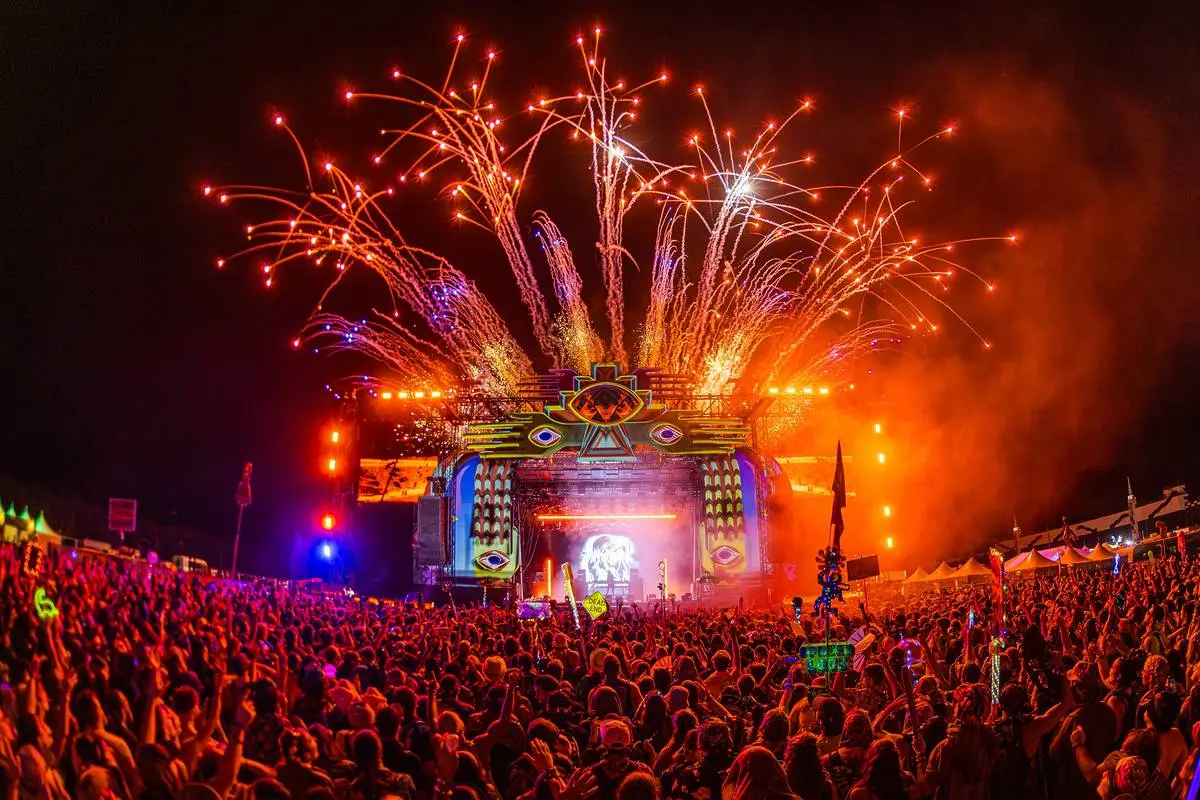
Music festivals occupy a unique and outsized position in the contemporary music industry, functioning simultaneously as cultural celebrations, tourism drivers, and pivotal launchpads for emerging talent. Long before streaming algorithms could serve a new song to millions of listeners at the press of a button, festivals were where unknown bands could capture the attention of influential critics, record label scouts, and most importantly, new fans whose word-of-mouth advocacy carried the music home to friends and social circles. That fundamental dynamic persists, even as the mechanisms of discovery have shifted. For an independent artist from a city like Halifax or Saskatoon, securing a slot at a major festival such as Osheaga, Pop Montreal, or the Calgary Folk Music Festival can compress years of slow audience building into a single transformative weekend.
Advertisement
Festival programmers act as crucial taste-makers, curating lineups that balance established headliners who sell tickets with emerging acts who define the cutting edge. An up-and-coming band placed in a mid-afternoon slot on a secondary stage might play to a modest crowd, but the ripple effects extend far beyond the festival grounds. Professional photographers and videographers capture high-quality content that becomes the core of the artist’s press kit and social media presence for months to come. Music bloggers and journalists who attend festivals specifically to discover new acts file reviews and features that populate search engine results, giving the artist a digital footprint that persists long after the stage is dismantled. The Canadian music ecosystem, supported in part by grants from FACTOR and provincial arts councils, depends heavily on these festival platforms to justify funding by demonstrating audience reach and critical recognition.
The networking dimension of festivals cannot be overstated. Backstage areas, industry lounges, and after-parties bring together booking agents, label representatives, music supervisors, and publishers in a concentrated environment where serendipitous connections can lead to opening tour slots, synchronization licensing deals for film and television, and record contracts. A songwriter from Winnipeg might strike up a conversation with a music supervisor for a popular Netflix series and, months later, have their track placed in a pivotal scene that exposes it to a global audience. These face-to-face interactions build the relational capital that emails and direct messages struggle to replicate, and many lasting business partnerships trace their origins to a festival conversation.