
Home Show Business
Category:

Show Business

Advertisement

The contemporary film industry orbits around franchise filmmaking, a business model in which a single intellectual property spawns multiple sequels, prequels, spin-offs, and interconnected universes designed to generate revenue across theatrical release, home entertainment, streaming licensing, merchandise, and theme park attractions. The economic logic is straightforward: a known brand with an existing fan base carries lower marketing risk than an original story, and the upfront investment, while enormous, can be amortized across several planned instalments. In Canada, where production services for major Hollywood franchises frequently take place in Vancouver, Toronto, and Montreal due to skilled crews and competitive tax incentives, the financial architecture of these mega-projects ripples through the domestic screen industry.

The budget of a modern blockbuster often exceeds two hundred million dollars in production costs alone, with an equivalent or greater sum allocated to global marketing and distribution. These sums are raised through a combination of studio equity, co-financing arrangements with private equity firms or international distributors, and pre-sales of foreign distribution rights. Because the theatrical window alone rarely guarantees profitability, studios construct elaborate financial models that forecast revenue from dozens of downstream sources over a five-to-ten-year horizon. Consumer products—action figures, apparel, video games, and branded food tie-ins—can generate revenue that rivals the box office, particularly for family-oriented franchises. A single successful franchise can underwrite a studio’s entire slate for years, which is why the pressure to launch the next cinematic universe has become so intense.

Risk management is the invisible engine behind franchise storytelling. Originality, while artistically cherished, is economically unpredictable; a sequel to a film that grossed a billion dollars worldwide offers a more calculable return profile, even if the creative team must wrestle with diminishing narrative returns. Studios mitigate risk further by building franchises around pre-existing source material—comic books, young adult novels, video games—that arrive with a built-in audience. The Marvel Cinematic Universe perfected the interconnected model, where each film functions as both a standalone story and a chapter in a larger saga, encouraging audiences to treat the entire catalogue as an ongoing subscription. Missing one instalment feels like falling behind, which drives consistent theatrical attendance and later streaming consumption on services like Disney+.

Pages: 1 2

Advertisement

Reality television presents itself as an unfiltered window into unscripted human drama—romantic entanglements, culinary showdowns, survival challenges, and domestic makeovers—but the seamless final product that reaches Canadian living rooms every week is the result of an intricate production apparatus that carefully engineers spontaneity. Behind every confessional interview, dramatic confrontation, and tearful elimination lies a team of producers, story editors, camera operators, and post-production specialists who have shaped the raw footage into a coherent narrative arc. Understanding this machinery does not necessarily diminish the entertainment value, but it provides a more honest appreciation of the genre’s craft and the ethical questions that arise when real people become characters in a constructed story.

Casting is the foundational element that largely determines whether a reality series will succeed or flounder. Casting directors screen thousands of applicants, conducting interviews, psychological evaluations, and background checks to identify participants who possess not only compelling personalities but also the potential for dynamic interactions with others. Producers are not simply looking for the most talented chef or the most physically fit survivalist; they are assembling a cast of archetypes—the hero, the villain, the underdog, the comic relief—whose clash of values and temperaments will generate the conflict that drives episodes. In Canadian productions, where the talent pool is smaller, casting teams often travel across the country holding open calls in community centres and using social media to find individuals whose regional identities add texture to the narrative.

Once filming begins, the role of the story producer becomes paramount. Field producers embed themselves with participants, conducting lengthy interviews that later become the voice-over narration stitched together from hundreds of soundbites. They ask leading questions designed to elicit emotionally charged reactions: “How did it feel when she said that about you?” or “What are you most afraid of right now?” The participants’ responses, recorded in the controlled environment of a confessional booth or a quiet corner of the set, become the emotional glue that holds scenes together. While producers do not feed lines to participants in most reputable productions, the framing of questions and the timing of interviews undeniably shape the story that emerges. Canadian industry guidelines and labour standards on sets aim to provide participants with mental health support and clear exit options, though enforcement remains inconsistent across the sector.

Pages: 1 2

Advertisement

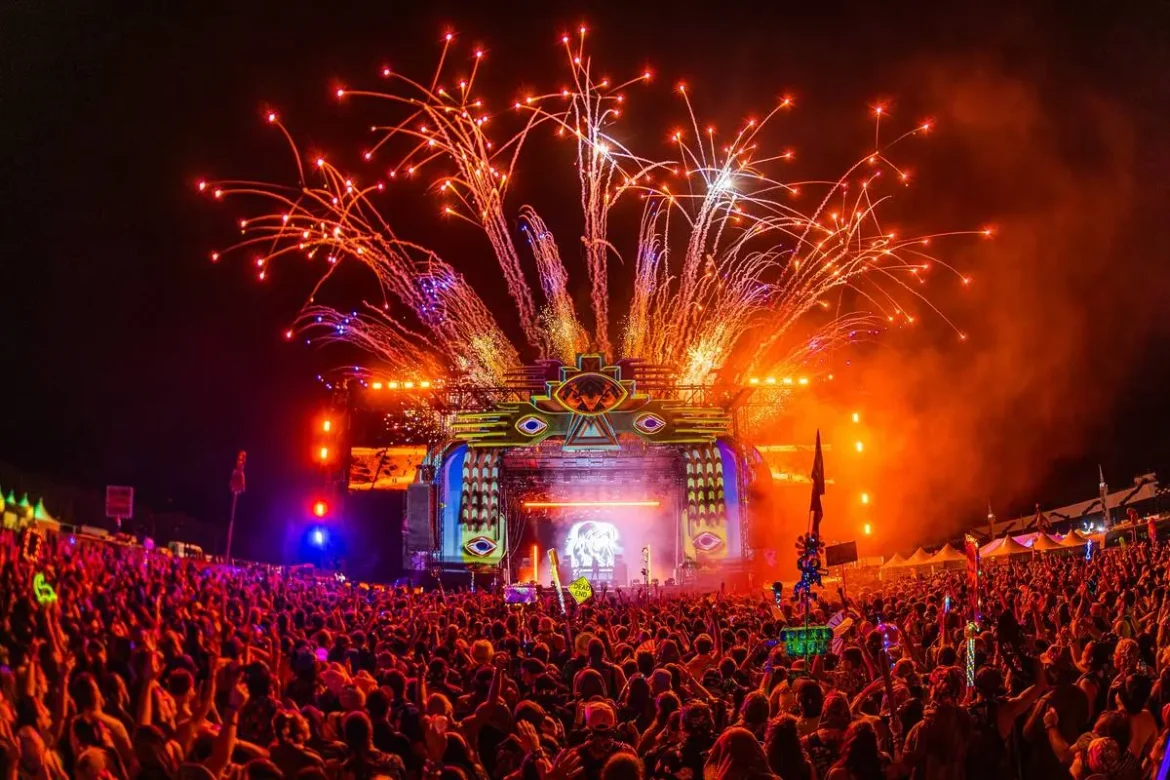
Music festivals occupy a unique and outsized position in the contemporary music industry, functioning simultaneously as cultural celebrations, tourism drivers, and pivotal launchpads for emerging talent. Long before streaming algorithms could serve a new song to millions of listeners at the press of a button, festivals were where unknown bands could capture the attention of influential critics, record label scouts, and most importantly, new fans whose word-of-mouth advocacy carried the music home to friends and social circles. That fundamental dynamic persists, even as the mechanisms of discovery have shifted. For an independent artist from a city like Halifax or Saskatoon, securing a slot at a major festival such as Osheaga, Pop Montreal, or the Calgary Folk Music Festival can compress years of slow audience building into a single transformative weekend.

Festival programmers act as crucial taste-makers, curating lineups that balance established headliners who sell tickets with emerging acts who define the cutting edge. An up-and-coming band placed in a mid-afternoon slot on a secondary stage might play to a modest crowd, but the ripple effects extend far beyond the festival grounds. Professional photographers and videographers capture high-quality content that becomes the core of the artist’s press kit and social media presence for months to come. Music bloggers and journalists who attend festivals specifically to discover new acts file reviews and features that populate search engine results, giving the artist a digital footprint that persists long after the stage is dismantled. The Canadian music ecosystem, supported in part by grants from FACTOR and provincial arts councils, depends heavily on these festival platforms to justify funding by demonstrating audience reach and critical recognition.

The networking dimension of festivals cannot be overstated. Backstage areas, industry lounges, and after-parties bring together booking agents, label representatives, music supervisors, and publishers in a concentrated environment where serendipitous connections can lead to opening tour slots, synchronization licensing deals for film and television, and record contracts. A songwriter from Winnipeg might strike up a conversation with a music supervisor for a popular Netflix series and, months later, have their track placed in a pivotal scene that exposes it to a global audience. These face-to-face interactions build the relational capital that emails and direct messages struggle to replicate, and many lasting business partnerships trace their origins to a festival conversation.

Pages: 1 2

Advertisement

Fame, for most of modern history, was a scarce resource granted by gatekeepers—studio executives, record label talent scouts, magazine editors, and television producers who decided whose face would appear on screens and whose voice would be amplified. Social media platforms dismantled that hierarchy by giving anyone with a smartphone the theoretical ability to broadcast to millions. A teenager in a suburb of Calgary can post a makeup tutorial, a comedic sketch, or a fitness routine, and through a combination of algorithmic luck, relatable personality, and consistent output, accumulate an audience that rivals the viewership of a mid-tier cable channel. This new pathway has created a distinct class of public figures—social media influencers—whose currency is not necessarily a discrete talent but the ability to foster a sense of intimate connection with followers.

The architecture of platforms like Instagram, TikTok, and YouTube rewards authenticity, or at least the performance of authenticity. Audiences have grown weary of the airbrushed perfection that characterized traditional celebrity media and gravitate toward creators who share imperfections, daily struggles, and behind-the-scenes moments. A Vancouver lifestyle influencer might film herself dealing with a delayed flight, burning a recipe, or discussing anxiety, and these moments often generate more engagement than her polished sponsored posts. This performative vulnerability builds a parasocial bond in which followers feel they truly know the creator, a dynamic that is both the influencer’s greatest asset and a psychological weight, as the boundary between a persona and a private self erodes under the pressure of constant sharing.

Monetization models have evolved from simple brand sponsorships to a multifaceted business ecosystem. An influencer may simultaneously earn revenue through platform creator funds, direct fan subscriptions, merchandise lines, affiliate marketing, paid speaking engagements, and equity stakes in start-ups. The most successful treat themselves as a media company, diversifying income streams and building teams that include talent managers, content editors, and business strategists. In Canada, influencer marketing has become a measurable line item in advertising budgets, with agencies specializing in matching brands to creators whose audience demographics align with campaign objectives. The Canada Revenue Agency has also taken an interest, clarifying that income from sponsorships and gifted products is generally taxable, a reality that newcomers to the space sometimes overlook until an audit arrives.

Pages: 1 2

Advertisement

The entertainment industry has undergone a seismic transformation since the moment Netflix pivoted from mailing DVDs to delivering content over the internet, a move that seemed modest at the time but ultimately rewired how audiences around the world consume stories. What began as a convenient library of licensed movies and television shows has morphed into a crowded battlefield of direct-to-consumer platforms, each investing billions in original programming to capture and retain subscribers. In Canada, viewers now navigate a dizzying array of options—Netflix, Amazon Prime Video, Disney+, Apple TV+, Crave, CBC Gem, and numerous niche services—forcing a re-examination of household budgets and viewing habits. The streaming landscape is no longer just a utility; it has become a cultural force that shapes what stories get told and who gets to tell them.

The explosion of original content production has been a double-edged sword. On one side, audiences have never had access to such a rich and diverse array of stories, including prestige dramas, international series, documentaries, and animated works that might never have received funding in the legacy studio system. Canadian creators have found global audiences through shows produced in partnership with streaming giants, showcasing settings from the streets of Toronto to the coastal villages of Nova Scotia. On the other side, the sheer volume of content creates an overwhelming paradox of choice; subscribers can spend more time scrolling through thumbnails than actually watching, and promising series are cancelled after a single season if they do not immediately generate the metrics that algorithms demand. This churn can leave viewers feeling that the relationship with a platform is transactional rather than loyal.

Bundling and aggregation are emerging as the inevitable response to subscription fatigue. Major telecommunications companies in Canada have begun packaging streaming subscriptions with internet and mobile plans, offering discounts that make it cheaper to keep a platform than to cancel it. Third-party aggregators and smart TV interfaces attempt to create a unified front end where viewers can search across all their subscriptions simultaneously, restoring some of the simplicity that was lost when content splintered across a dozen walled gardens. The emergence of ad-supported tiers—where subscribers pay a lower monthly fee in exchange for viewing commercial breaks—echoes the television model that streaming once disrupted, signalling a full-circle return to advertising as a significant revenue stream alongside subscriptions.

Pages: 1 2

Advertisement