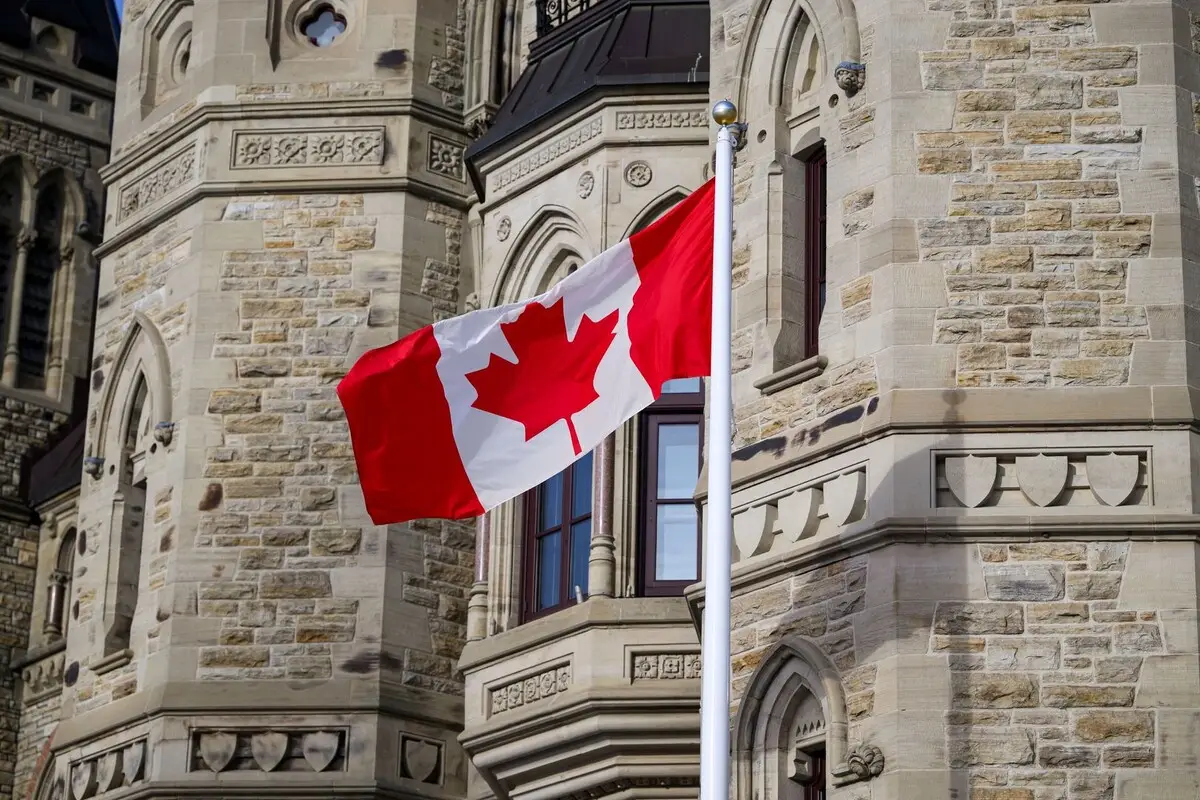
Federalism adds a territorial dimension to the separation of powers in Canada. The Constitution Act, 1867 assigns specific areas of jurisdiction to the federal Parliament and to the provincial legislatures. The federal government is responsible for national defence, criminal law, banking, and foreign affairs; the provinces hold authority over education, health care, property and civil rights, and municipal institutions. This division means that even within the executive and legislative spheres, power is split, and intergovernmental negotiation is a constant feature of Canadian governance. Disputes over jurisdiction—such as the scope of federal environmental assessment legislation or provincial control over natural resource exports—routinely land in court, and the judiciary’s interpretation of the division of powers shapes the federation’s balance. This horizontal separation, layered on top of the vertical separation among branches, creates a complex lattice of accountability.
Advertisement
The concept of administrative tribunals and agencies adds yet another layer. Bodies such as the Canadian Radio-television and Telecommunications Commission, the Canadian Human Rights Tribunal, and the Competition Tribunal exercise quasi-judicial and regulatory functions that blend elements of all three branches. They are created by statute (legislative), appointed by the executive, and make decisions that can be reviewed by courts. Their existence reflects the recognition that modern governance requires specialized, nimble bodies that can develop expertise and resolve disputes more efficiently than the courts or the full legislative process. However, their insulation from direct electoral accountability raises questions about the democratic legitimacy of decisions that can profoundly affect industries and individuals, underscoring the need for robust procedural fairness, transparency, and the availability of judicial review.
Respecting the separation of powers requires constant vigilance, not just from constitutional lawyers and judges but from the public and the media. When a government uses its legislative majority to curtail debate, when a minister attempts to pressure a tribunal, or when a court is accused of overreach for striking down a popular law, the underlying tension among the branches surfaces. These moments are not signs of system failure; they are evidence that the separation of powers is alive and functioning as a contested space. Understanding this framework helps Canadian citizens interpret political events not as isolated incidents but as episodes in the ongoing negotiation of how power is distributed, constrained, and legitimized. The separation of powers is not a static blueprint but a living set of relationships that must be defended through active civic engagement and a shared commitment to the rule of law.