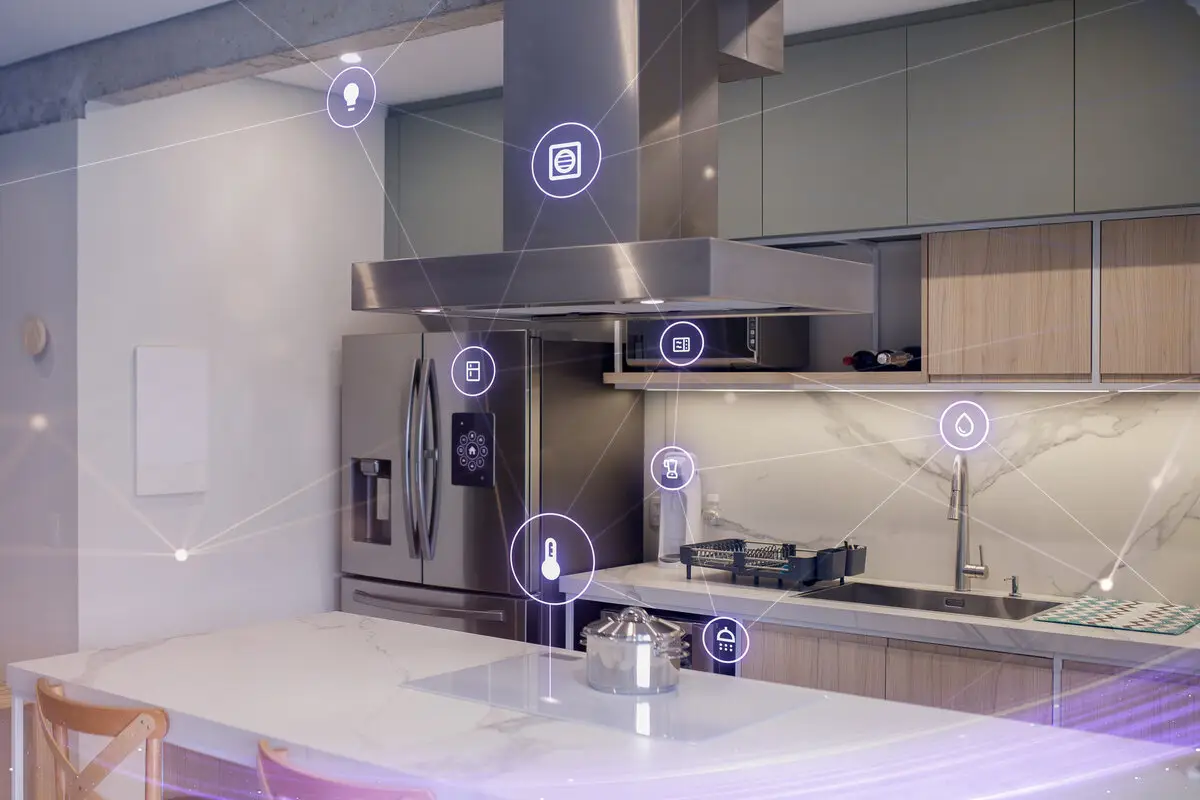
The modern Canadian home increasingly hums with connected intelligence: thermostats that learn a family’s schedule, doorbell cameras that stream video to a smartphone from across the continent, voice assistants that manage grocery lists and play the evening news, and lighting systems that shift colour temperature with the time of day. These smart home devices promise convenience, energy efficiency, and a sense of security. A resident can check whether the garage door was left open while sitting in an airport lounge in another province, or receive an alert when an aging parent’s morning routine deviates unexpectedly. The appeal is undeniable, but the invisible trade-off is the continuous generation of personal data that flows from the most intimate spaces of life into corporate servers, often with minimal user awareness of what exactly is being collected and how it might be used.
Advertisement
The data collection practices of smart home ecosystems are extensive by design. A voice assistant must constantly listen for its wake word, and while manufacturers state that audio is not transmitted until that word is spoken, the processing of ambient sound to identify the trigger happens locally on the device. Once activated, the spoken command—whether a request to set a timer or a question about a medical symptom—is typically sent to cloud servers for interpretation and action. That data, along with timestamps, device identifiers, and sometimes location information, can be stored and analysed to improve service quality, train algorithms, and build user profiles. Other devices, such as smart televisions, may track what content is watched and for how long, while robotic vacuum cleaners map floor plans that reveal the layout of a home. Individually, each data point seems innocuous; aggregated, they paint a startlingly detailed portrait of household life.
Privacy protections hinge on a combination of corporate policy, user configuration, and the regulatory framework in which the data resides. In Canada, the Personal Information Protection and Electronic Documents Act requires organizations to obtain meaningful consent for the collection, use, and disclosure of personal information, and to limit collection to what is necessary for the stated purpose. However, those purposes are often buried in lengthy terms of service documents that few consumers read. Users can take defensive steps: disabling microphones when not needed, turning off camera feeds in living areas, segmenting smart devices onto a guest Wi-Fi network, and regularly auditing the permissions granted to companion mobile apps. Manufacturers have started adding physical privacy shutters to cameras and mute buttons that cut power to microphones at the hardware level, but these features are not yet universal.