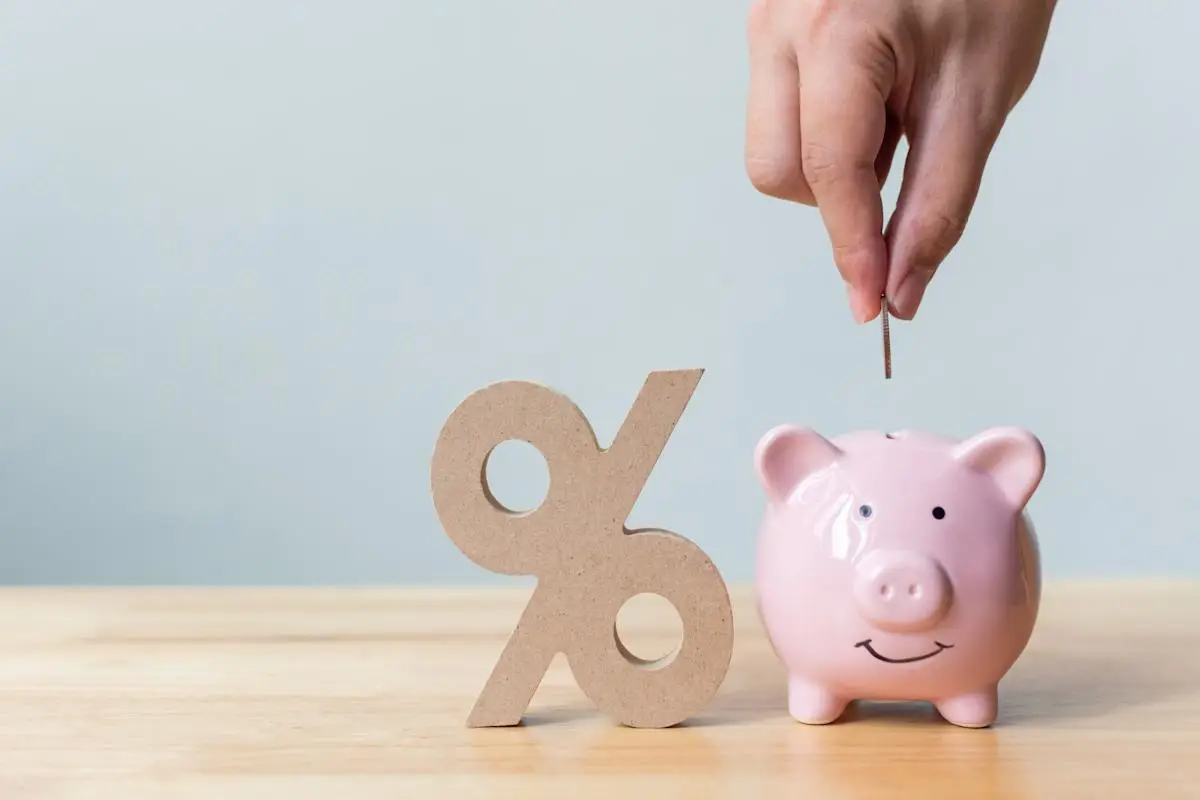
Interest rates set by the Bank of Canada ripple through every corner of personal finance, yet their effect on savings is often felt in ways that are subtle at first and then suddenly pronounced. When the central bank adjusts its policy rate—raising it to cool inflation or lowering it to stimulate economic activity—the dominoes fall through the prime rates at chartered banks, the yields on guaranteed investment certificates, the rates on high-interest savings accounts, and even the returns on money market funds. For savers, a period of rising rates can feel like a welcome tailwind after years of near-zero returns, while those with variable-rate debt experience the opposite pressure. Understanding these mechanisms allows individuals to position their cash and near-cash holdings to benefit from the rate environment rather than be eroded by it.
Advertisement
High-interest savings accounts are the most direct beneficiary of rate increases. When the Bank of Canada’s overnight rate climbs, financial institutions, particularly digital banks and credit unions eager to attract deposits, quickly raise the advertised rates on their savings products. A rate that languished at 0.25 per cent for years might jump to 4.00 per cent or more within months, dramatically altering the incentive to hold cash. Canadians who maintained large balances in chequing accounts that pay no interest suddenly see hundreds or even thousands of dollars in annual forgone earnings. Moving emergency funds and short-term savings into insured accounts that compound daily can generate a meaningful income stream that itself can be reinvested or used to offset rising expenses elsewhere, such as higher mortgage payments.
Guaranteed investment certificates, or GICs, become particularly attractive during rising rate cycles, especially for savers who can tolerate locking in their funds for set terms. A laddering strategy—purchasing GICs with staggered maturity dates of one, two, three, four, and five years—allows an investor to benefit from increasing rates while maintaining periodic liquidity as one rung matures each year. When short-term rates are elevated, even a one-year GIC can provide a safe, predictable return that beats inflation in some periods. It is essential to hold these instruments within Tax-Free Savings Accounts or Registered Retirement Savings Plans to avoid the full tax bite on interest income, which is taxed at the saver’s marginal rate when held in non-registered accounts. The decision between cashable and non-cashable GICs involves a trade-off between flexibility and yield, and savers should be wary of breaking terms early if the penalty forfeits all accrued interest.