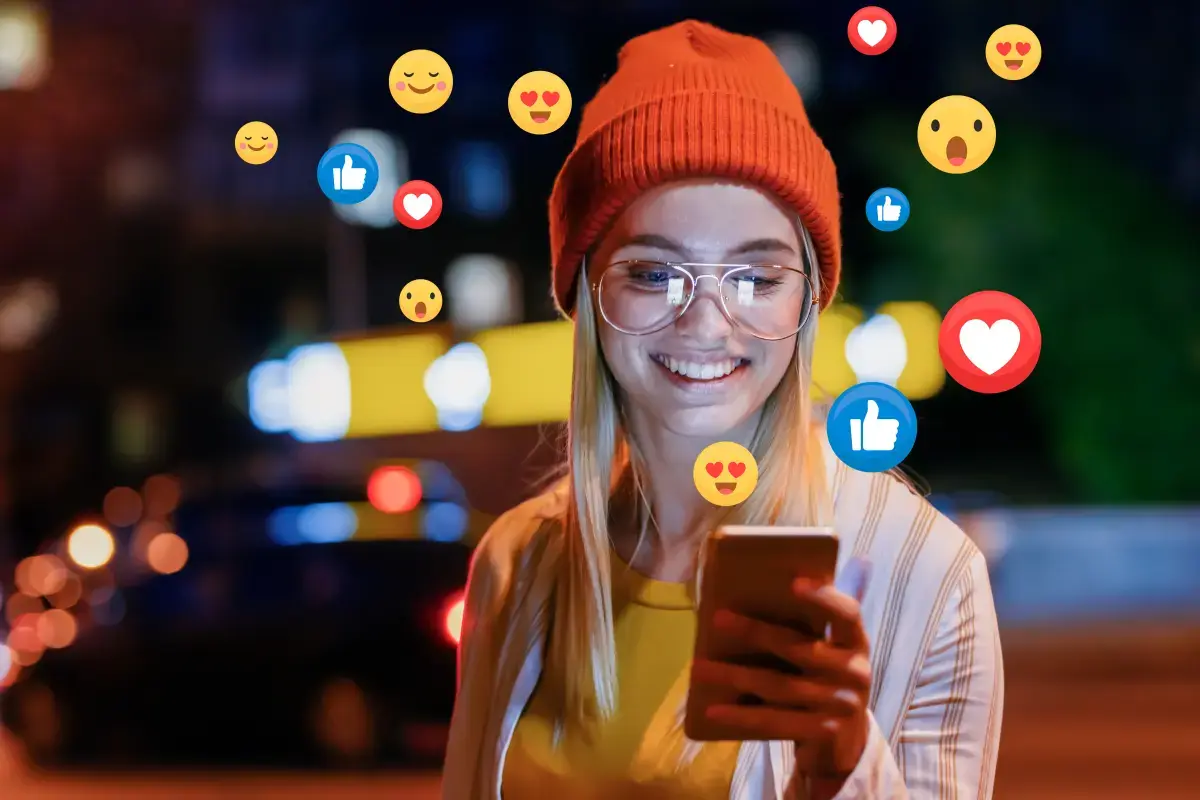
The relationship between influencers and their audiences is a delicate negotiation of trust and commerce. Followers accept a certain level of advertising as the price of free content, but they recoil when the promotional content overwhelms the organic connection that drew them in. The collapse of several high-profile influencer ventures—when audiences discovered that a recommended product was never actually used, or that a charitable fundraiser had opaque accounting—demonstrated the fragility of influence-based trust. The most sustainable creators navigate this by being selective with partnerships, clearly labelling sponsored content in accordance with Canadian advertising standards, and periodically producing content that has no commercial objective at all, simply reinforcing the community bond.
Advertisement
Traditional entertainment industries have responded to the rise of influencers with a blend of co-optation and competition. Hollywood studios cast popular YouTubers and TikTokers in films and television series to leverage their built-in audiences, with mixed results; some successfully transition into acting, while others discover that the skills of a three-minute video do not automatically translate to a feature-length narrative. Music labels scout artists who have built followings through viral covers, and book publishers chase influencers who can guarantee a bestseller through their promotional reach. Simultaneously, legacy celebrities have adopted influencer-style content strategies, posting candid family moments and engaging directly with fans in comment sections, blurring the line between old and new fame until it becomes practically invisible.
The influencer phenomenon has also reshaped societal aspirations, particularly among younger generations. Surveys consistently show that large percentages of teenagers and young adults in Canada express a desire to pursue influencer or content creator careers, drawn by the perception of autonomy, creative fulfilment, and financial upside. The reality is far less glamorous: income is wildly inconsistent, the algorithm can bury a creator overnight, and the mental health toll of public scrutiny and comparison is well-documented. As the industry matures, there is a growing call for digital literacy education that addresses the economics and psychology of social media, empowering young people to engage as critical consumers rather than aspirants to a version of fame that is often more precarious than it appears through the polished lens of a smartphone screen.